


Driving in Snow: How to Stay Safer on Winter Roads
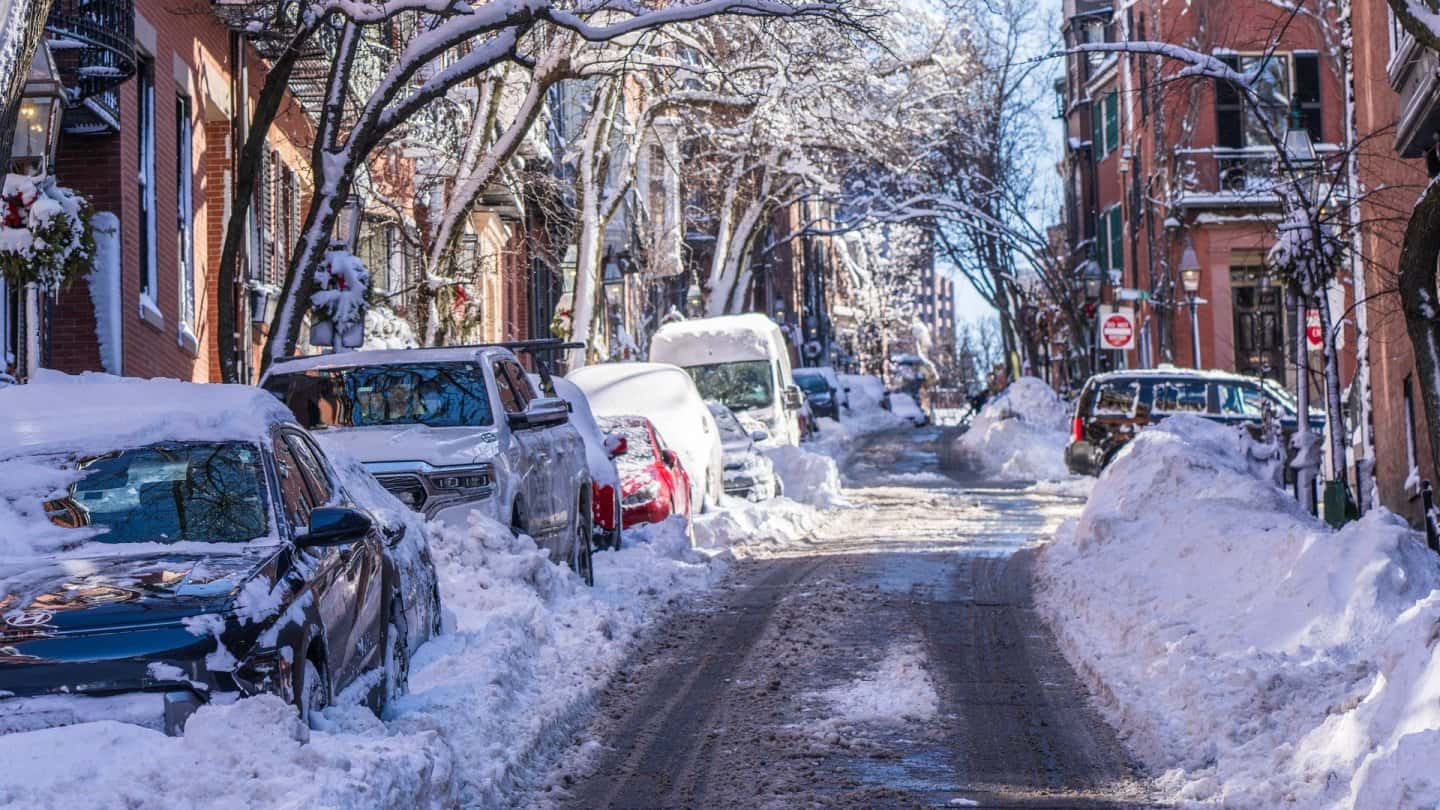
Driving in snow calls for patience, preparation, and the discipline to slow everything down. Around Norwood, winter weather can turn a routine trip along Route 1, I-95/Route 128, or Washington Street into a much more demanding drive. Snow, slush, ice, poor visibility, and fast-changing road conditions all reduce the margin for error.
These winter driving tips can help you prepare before the storm, handle your vehicle more carefully, and decide when staying home is the safest choice.
Start With the Safest Winter Driving Decision
The safest way to handle severe winter weather is often to avoid driving in it. If a trip is not essential, postpone it until roads are plowed, treated, and easier to see.
When driving in the snow is unavoidable, give yourself more time, choose main roads when possible, and tell someone your route if you are traveling farther than usual. A short errand can take much longer during a storm, especially when visibility drops or traffic slows behind plows and emergency vehicles.
When to Stay Off the Roads in Winter Weather
Stay off the roads in winter weather when conditions make safe travel uncertain. Even experienced New England drivers can lose control on ice, packed snow, or untreated pavement. It is usually better to stay home when:
- A travel ban, road closure, or local emergency notice is in effect
- Snow is falling heavily enough to limit visibility
- Freezing rain or sleet is coating roads, sidewalks, trees, or power lines
- Roads have not been plowed or treated
- You hear reports of spinouts, crashes, or disabled vehicles nearby
- Your vehicle has poor tires, weak wipers, dim lights, or low fuel
- You feel tired, rushed, distracted, or uncomfortable with the conditions
- The trip can be handled later, remotely, or by phone
A vehicle with all-wheel drive or four-wheel drive can help with traction in some situations, but it does not shorten stopping distance on ice. If the road surface is slick, every vehicle needs more space and more time.
Prepare Your Vehicle Before Snow Arrives
Winter driving safety starts before the first flakes hit the windshield. A quick pre-storm check can reduce the chance of getting stranded or struggling with poor visibility. Before a winter storm, check:
- Tire tread and tire pressure
- Windshield wiper blades
- Washer fluid rated for cold weather
- Headlights, brake lights, turn signals, and hazard lights
- Battery condition
- Engine coolant level
- Defroster and heater operation
- Fuel level or EV battery charge
- Snow brush and ice scraper
- Floor mats that are properly secured
Tire pressure can drop as temperatures fall, so check it regularly during winter. Clear visibility matters just as much, so replace worn wiper blades and keep extra washer fluid on hand if your commute includes highway driving or messy slush spray.
If your vehicle needs seasonal maintenance, drivers can schedule service online with Nucar Toyota of Norwood.
Clear Snow and Ice Before You Drive
Clear the entire vehicle before driving, not just a small patch of windshield. Snow left on the roof, hood, trunk, lights, mirrors, or windows can slide, blow off, block your view, or create a hazard for other drivers. Before leaving, clear:
- Windshield and rear glass
- Side windows
- Mirrors
- Headlights and taillights
- Turn signals
- License plate area
- Hood, roof, and trunk or liftgate
- Driver-assist sensor areas when accessible and safe to clear
Give the defroster time to work and wait until you can see clearly in every direction. Rushing out with frosted glass or snow-covered lights makes an already difficult drive more dangerous.
Slow Down and Increase Following Distance
Speed limits are set for normal conditions, not snow-covered pavement. One of the most important tips for driving in snow is to reduce speed before you feel the vehicle struggling for grip.
Leave much more room between your vehicle and the one ahead. Stopping takes longer on snow, slush, and ice, and sudden braking can lead to a skid. Build in extra space near intersections, crosswalks, hills, curves, highway ramps, and busy Route 1 traffic.
Good winter spacing helps you react gradually instead of making a sharp move at the last second.
Brake, Steer, and Accelerate Gently
Smooth inputs help tires maintain traction. Abrupt braking, quick steering, and hard acceleration can break traction and make the vehicle harder to control. Use these habits when driving in the snow:
- Press the accelerator gently.
- Brake earlier than usual.
- Steer smoothly.
- Avoid sudden lane changes.
- Slow down before curves, not during them.
- Avoid cruise control on snowy or icy roads.
- Let impatient drivers pass when it is safe instead of matching their pace.
If your vehicle starts to slide, stay calm. Ease off the accelerator, avoid slamming the brakes, and steer in the direction you want the vehicle to go. Regaining control depends on smooth corrections, not panic movements.
Watch for Ice Where You Least Expect It
Ice is not always obvious. Shaded areas, bridges, ramps, overpasses, intersections, and untreated side streets can stay slick even when the main road looks better. Be especially cautious:
- Early in the morning
- After sunset
- Near wooded or shaded stretches
- On bridges and elevated roadways
- Around packed-down snow at intersections
- Near slush that may refreeze
- During freezing rain or mist
Black ice can look like wet pavement. If the temperature is near or below freezing, assume shiny or dark pavement may be slippery and adjust before you reach it.
Give Snowplows Plenty of Room
Snowplows and treatment trucks need space to work. The road behind a plow is usually in better condition than the road ahead of it, so crowding or passing a plow can put you into worse visibility and rougher road conditions. When you come up behind a plow:
- Stay well back.
- Do not pass on the right.
- Expect sudden stops or wide turns.
- Keep your headlights on.
- Be patient if traffic slows.
A plow moving slowly is frustrating, but it is helping make the road safer for everyone behind it.
Pack a Winter Emergency Kit
A winter emergency kit is useful even for local driving. A minor slide-off, dead battery, blocked road, or long delay can become more serious in freezing weather. Keep these items in your vehicle during winter:
- Snow brush and ice scraper
- Small shovel
- Jumper cables or portable jump starter
- Flashlight and extra batteries
- Phone charger or power bank
- Blanket, gloves, hat, and warm layers
- Bottled water
- Nonperishable snacks
- First-aid kit
- Reflective triangles or emergency markers
- Sand or cat litter for traction
- Basic tools
- Extra washer fluid
- Any necessary medication for longer trips
Check the kit at the start of the season and after major storms. Replace used items, dead batteries, or expired supplies.
If You Get Stuck or Stranded
If your vehicle becomes stuck or stranded in winter weather, focus on visibility, warmth, and safety. Stay with the vehicle unless help is clearly nearby and conditions are safe enough to leave. Useful steps include:
- Turn on hazard lights.
- Call for help when safe to do so.
- Use reflective markers if you have them.
- Keep the exhaust pipe clear of snow.
- Run the engine only as needed for warmth.
- Avoid overexertion while digging out.
- Keep a window slightly cracked if running the engine.
- Stay aware of traffic around your vehicle.
Carbon monoxide is a serious danger when snow blocks the exhaust pipe. Clear the area around the tailpipe before running the engine.
Winter Driving Tips for Toyota Owners
Toyota vehicles offer many helpful features, but winter safety still depends on the driver, the tires, and the road surface. All-wheel drive, traction control, stability control, anti-lock brakes, heated mirrors, windshield wiper de-icers, and advanced driver-assistance features can support winter driving when equipped, but none of them replace careful driving.
Check your owner’s manual to understand how your vehicle’s systems work. If warning lights appear, traction feels poor, or your vehicle is overdue for maintenance, schedule a service visit before the next storm.
Nucar Toyota of Norwood can help with Toyota maintenance, tire questions, batteries, wipers, and genuine Toyota parts support. Drivers can contact the service department for help preparing their vehicle for winter conditions.
FAQs About Driving in Snow
What are the most important tips to driving in snow safely?
The most important tips to driving in snow safely are to slow down, increase following distance, brake early, steer gently, clear all snow and ice from the vehicle, and avoid travel when conditions are severe. Good preparation matters, but staying off the roads is the safest option when travel is not necessary.
Is driving in the snow safer with all-wheel drive?
All-wheel drive can help some vehicles accelerate and maintain traction in certain snowy conditions, but it does not eliminate the need to slow down. It also does not make a vehicle stop faster on ice. Tires, visibility, road conditions, and driver behavior all matter.
Should I use cruise control when driving in snow?
Avoid using cruise control on snowy, icy, or slushy roads. Keeping direct control of acceleration helps you respond more smoothly when traction changes.
How much distance should I leave between vehicles in snow?
Leave significantly more space than you would on dry pavement. Snow and ice increase stopping distance, so give yourself enough room to brake gradually and respond to traffic without sudden movements.
What should I do if my vehicle starts to skid?
Stay calm, ease off the accelerator, avoid slamming the brakes, and steer smoothly in the direction you want the vehicle to go. Overcorrecting can make the skid worse.
Is it better to drive during or after a snowstorm?
It is usually safer to wait until after the worst part of the storm, once roads have been plowed and treated. If the trip is not essential, delay it.
What should I check before winter driving?
Check tires, lights, wipers, washer fluid, defrosters, battery, fuel level or EV charge, and emergency supplies. Clear snow and ice from the whole vehicle before driving.
Stay Ready for Winter Roads Around Norwood
Driving in snow is easier to manage when the vehicle is prepared, the driver is patient, and the trip is truly necessary. Slow down, leave extra room, watch for ice, respect snowplows, and stay home when conditions are too risky.
For winter maintenance, service questions, parts support, or help getting your vehicle ready for New England weather, visit Nucar Toyota of Norwood at 277 Providence Hwy. We are here to support local drivers through every season, because Everyone loves a Nucar!
0 comment(s) so far on Driving in Snow: How to Stay Safer on Winter Roads